Composition
Phone food photography: use a grid before the food gets cold
A practical phone food photography workflow for plate placement, table lines, negative space, overhead shots, and 45-degree food photos.
Food photos are unfair because the subject has a timer. Ice melts, sauce settles, steam disappears, greens wilt, and everyone at the table starts looking at you like the phone is the appetizer.
That is why the grid matters. It lets you decide the frame before you start rearranging the plate. Instead of nudging forks around for five minutes, you can choose a simple structure, place the food, and shoot while the food still looks alive.
Choose the angle first
Food photography with a phone usually starts with one decision: overhead or 45 degrees.
Overhead is best for flat food, graphic plates, table spreads, pizza, salads, pastries, coffee, cocktails, and anything where the shape matters more than height. It turns the table into a layout.
45 degrees is best for burgers, noodles, layered desserts, tall drinks, sandwiches, bowls with toppings, and anything where depth or height is part of the appeal.
Do not choose the angle after styling. The angle decides what grid you need.
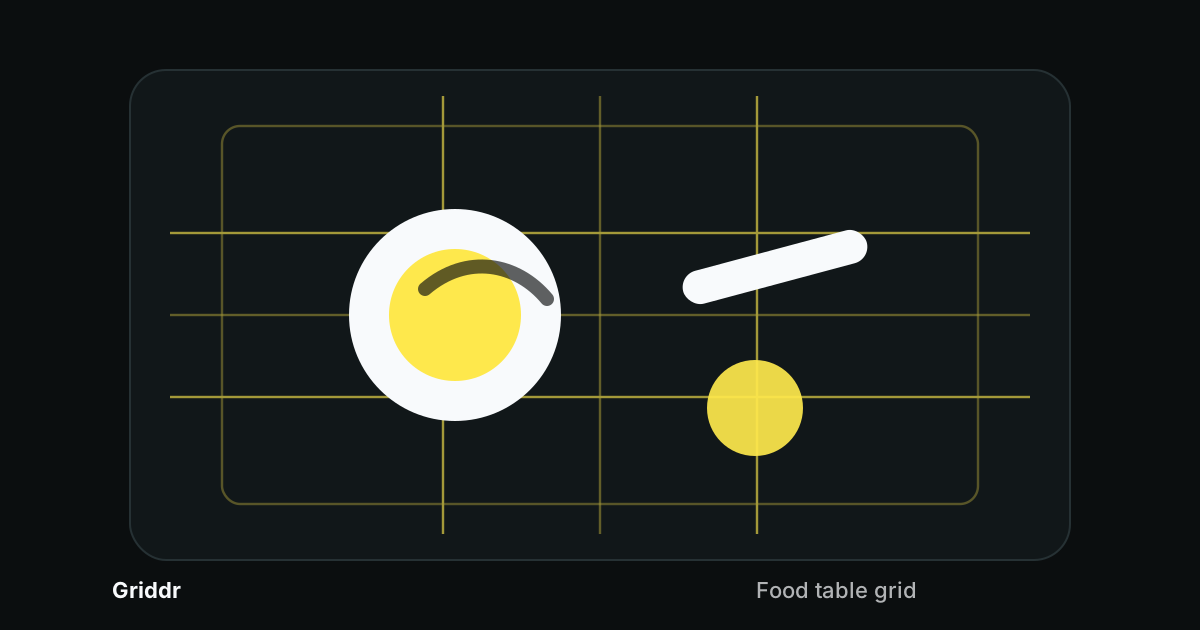
For overhead shots, start with the same idea as a flat lay grid: a 3x3 grid plus a soft safe-margin frame. For 45-degree shots, care more about the table edge, plate center, and the top third of the frame.
Build the food photo grid
In Griddr, make a grid called Food table:
- Add a 3x3 grid.
- Add a horizontal line at 50% for table edges and counter lines.
- Add a safe-margin frame around 10%.
- Add a small center cross for bowls, cups, and plates.
This grid gives you four useful checks: where the plate sits, whether the table is level, how much space is left for props, and whether the final crop has breathing room.
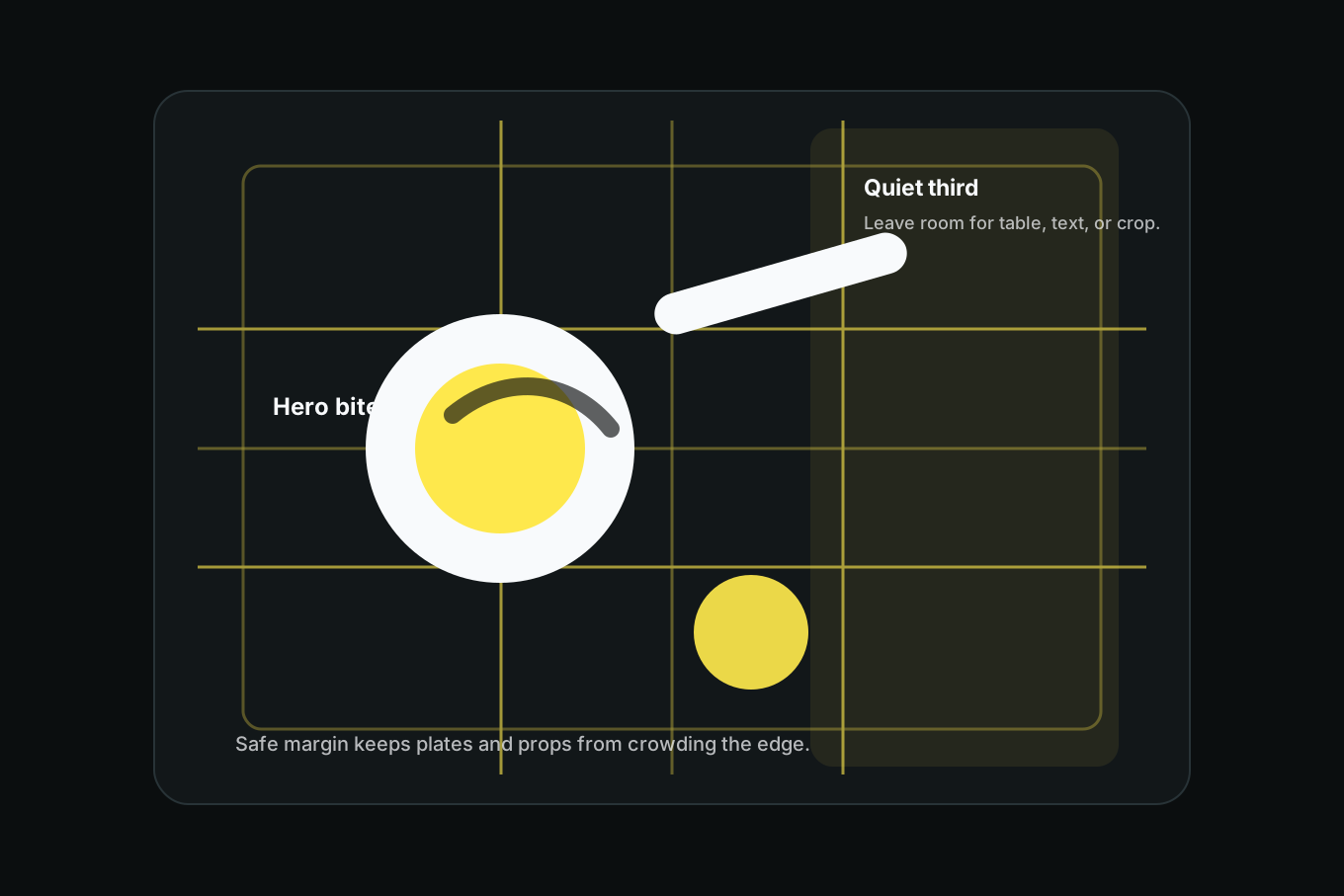
The point is not to make every plate mathematically centered. The point is to stop guessing.
Put the hero bite on the grid
The plate is not always the subject. The hero bite is.
On a pasta plate, the hero might be the fork twist. On a burger, it might be the cut side. On a bowl, it might be the brightest topping. On a pastry, it might be the torn edge. Put that detail near an intersection or the center cross, then let the rest of the plate support it.
This matters because plates are often visually unbalanced. A round bowl can be centered while the important garnish sits too high. A sandwich can fill the frame while the best texture is buried near the edge. Align the part people actually want to inspect.
Keep one side quiet
Food photos get cluttered fast: napkin, fork, drink, sauce, hand, menu, crumbs, second plate, background chair. Some of that can help. Too much makes the viewer work.
Use one vertical third as quiet space. It can hold table texture, a napkin corner, a drink shadow, or nothing at all. The empty third makes the food feel styled instead of crowded.
If you are posting a vertical crop, quiet space is even more useful. It gives you room for a caption overlay, recipe title, restaurant tag, or menu text later.
In food photos, empty table is not wasted space. It is appetite control.
The table edge test
A crooked table edge makes the whole photo feel rushed. Before shooting, find the strongest horizontal line:
- table edge
- counter edge
- tray edge
- placemat edge
- window sill
- shelf behind the food
Align that line to the grid before worrying about garnish. If the plate looks good but the table slides downhill, the viewer will feel the tilt even if they cannot name it. This is the same habit as leveling every horizon, just indoors.
Use props as direction, not decoration
Props should point the eye back to the food.
A fork can angle toward the plate. A napkin can frame a corner. A glass can balance the opposite third. A hand can add life if it does not cover the hero bite. A sauce cup can sit near the safe margin and create a diagonal path.
Remove props that only prove you own props. The grid makes extra objects easy to catch because every object either sits in a useful zone or interrupts one.
Quick shot list for one plate
Shoot five frames before the food changes:
- Overhead with the hero bite on an intersection.
- Overhead centered for a clean menu-style version.
- 45 degrees with the table edge level.
- Tight crop with texture inside the safe margin.
- Vertical crop with quiet space above or beside the plate.
If you are at a restaurant, you do not need all five. Shoot the overhead, the 45-degree, and the vertical crop. That gives you options without making dinner weird.
Common phone food photo mistakes
Shooting too close with the wide lens. Bowls stretch, plates warp, and glasses lean. Step back, use the 1x lens, and crop later.
Centering the plate instead of the food. The visual center is the best-looking bite, not the ceramic circle.
Letting the table tilt. Align the strongest table edge before shooting.
Filling every corner. Leave one quiet third. Food needs appetite around it.
Styling after the food fades. Decide the grid first, then style quickly.
Good phone food photography is not about making lunch look like a studio campaign. It is about choosing the frame fast enough that the food still has life in it. The grid gives you that speed.
Related reading
Shoot this with Griddr
Get Griddr — free on iOS & Android